
July 22, 2026 · By Michael Torres
How AI Is Changing the Game in Business Coding.
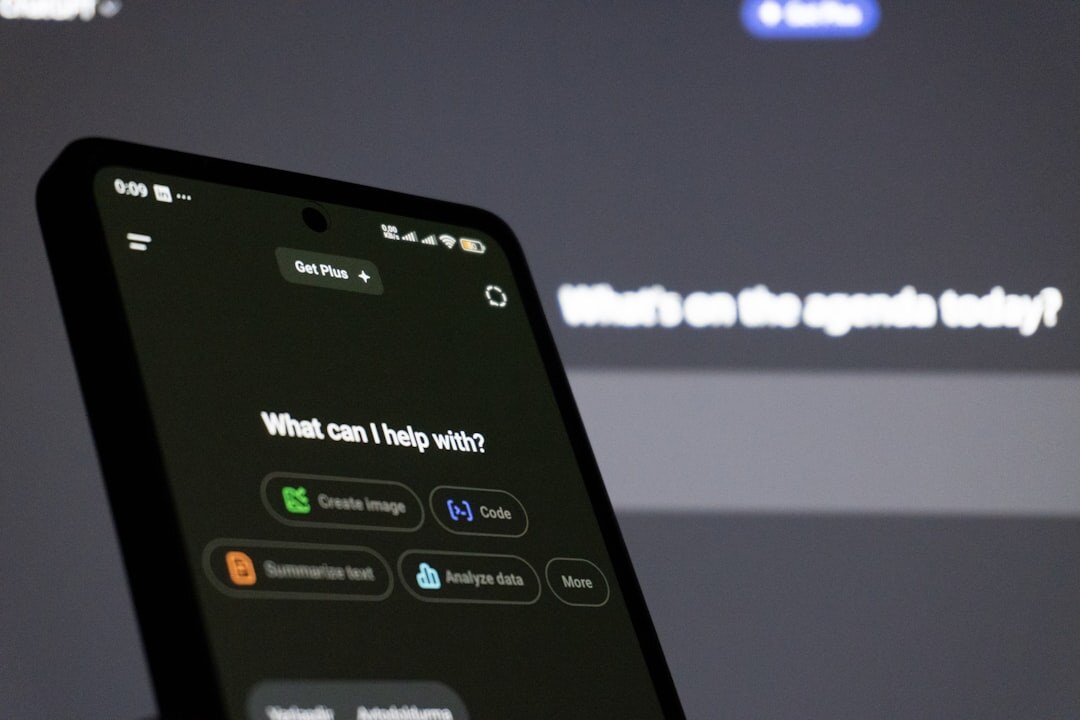
Business coding has always been about solving real problems under tight deadlines, but lately it feels like everything is speeding up in ways we could not have predicted even a few years ago. Developers at places like glitzvoxi.info are noticing that routine tasks which once took hours now wrap up in minutes thanks to smarter tools that anticipate what comes next.
From Repetitive Tasks to Creative Problem Solving
Think about the daily grind of writing boilerplate code or fixing the same bugs across multiple projects. Artificial intelligence steps in by learning patterns from huge codebases and suggesting fixes or entire functions that fit the context. This shift lets programmers focus on the bigger picture instead of getting stuck in the weeds. One team recently cut their debugging time by almost half after integrating an AI assistant that flags potential issues before they even compile the code.

Real World Wins in Corporate Environments
Companies handling large scale applications see the biggest gains. AI can scan legacy systems and recommend modern updates that keep everything compatible. It also helps with testing by generating cases that cover edge scenarios humans might overlook. In one project involving data migration, the AI suggested optimizations that reduced processing time from days to hours, saving the firm significant resources and keeping clients happy.
Another area where things are evolving fast involves collaboration. AI powered platforms can review pull requests and highlight inconsistencies across team contributions. This means fewer meetings spent on code reviews and more time spent building features that actually matter to the business.
Challenges That Still Need Attention
Of course it is not all smooth sailing. Over reliance on AI suggestions can sometimes lead to code that works but lacks the human touch for long term maintenance. Developers need to stay sharp and understand why a particular recommendation was made. Training sessions at forward thinking firms now include lessons on evaluating AI output critically rather than accepting it blindly.

Security remains a hot topic too. When AI tools pull from public repositories there is always a risk of introducing vulnerabilities. Teams are learning to combine these tools with strict internal review processes to keep sensitive business data protected.
Looking Ahead at the Developer Role
The role of the coder is shifting toward oversight and strategy. Instead of typing every line, professionals guide the AI, refine its ideas, and integrate solutions into broader company goals. This evolution opens doors for people who might not have traditional coding backgrounds but bring domain expertise in areas like finance or logistics.
At glitzvoxi.info the focus stays on blending these new capabilities with proven practices. Regular workshops help staff experiment with the latest models while keeping an eye on ethical use and accuracy. The result is faster delivery without sacrificing quality.

Practical Steps for Getting Started
- Start small by testing AI tools on non critical projects to see what fits your workflow.
- Build internal guidelines that cover when and how to use generated code responsibly.
- Encourage continuous learning so everyone stays updated on both the benefits and limitations.
- Track metrics like time saved and error rates to measure real impact over time.
Ultimately the game in business coding is changing because AI handles the heavy lifting on the predictable parts, freeing humans to tackle the unpredictable challenges that drive innovation. Firms that adapt thoughtfully will likely find themselves ahead in both efficiency and creativity.